
SelectZero release 2026.3
SelectZero 2026.3 is here, bringing a range of new features and improvements across the platform. This release focuses on deeper data quality insights, broader connectivity, and a more streamlined user experience. From row-level execution diffs and percentage-based test cases to AWS S3 integration and enhanced admin tooling, there is something for every team working to raise the bar on data quality.
Test case result row-level differences
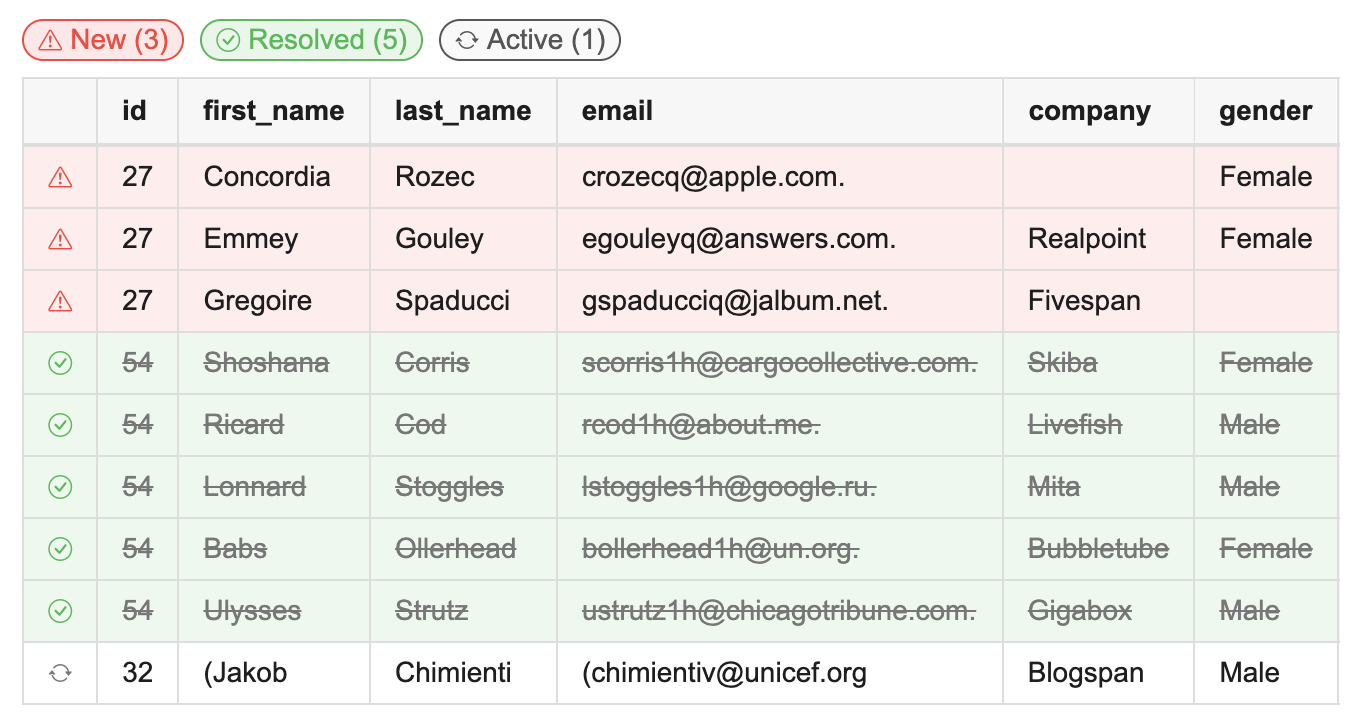
Users can now see the differences between previous and new executions directly within the execution history. Each run is compared against the previous one, clearly showing which invalid rows are newly introduced, which have been resolved, and which remain active. This makes it easier than ever to track data quality progress over time and stay on top of recurring issues.
Note: Test case result CSV row limit has been reduced to a maximum of 10000 rows.
Test cases with Total counts
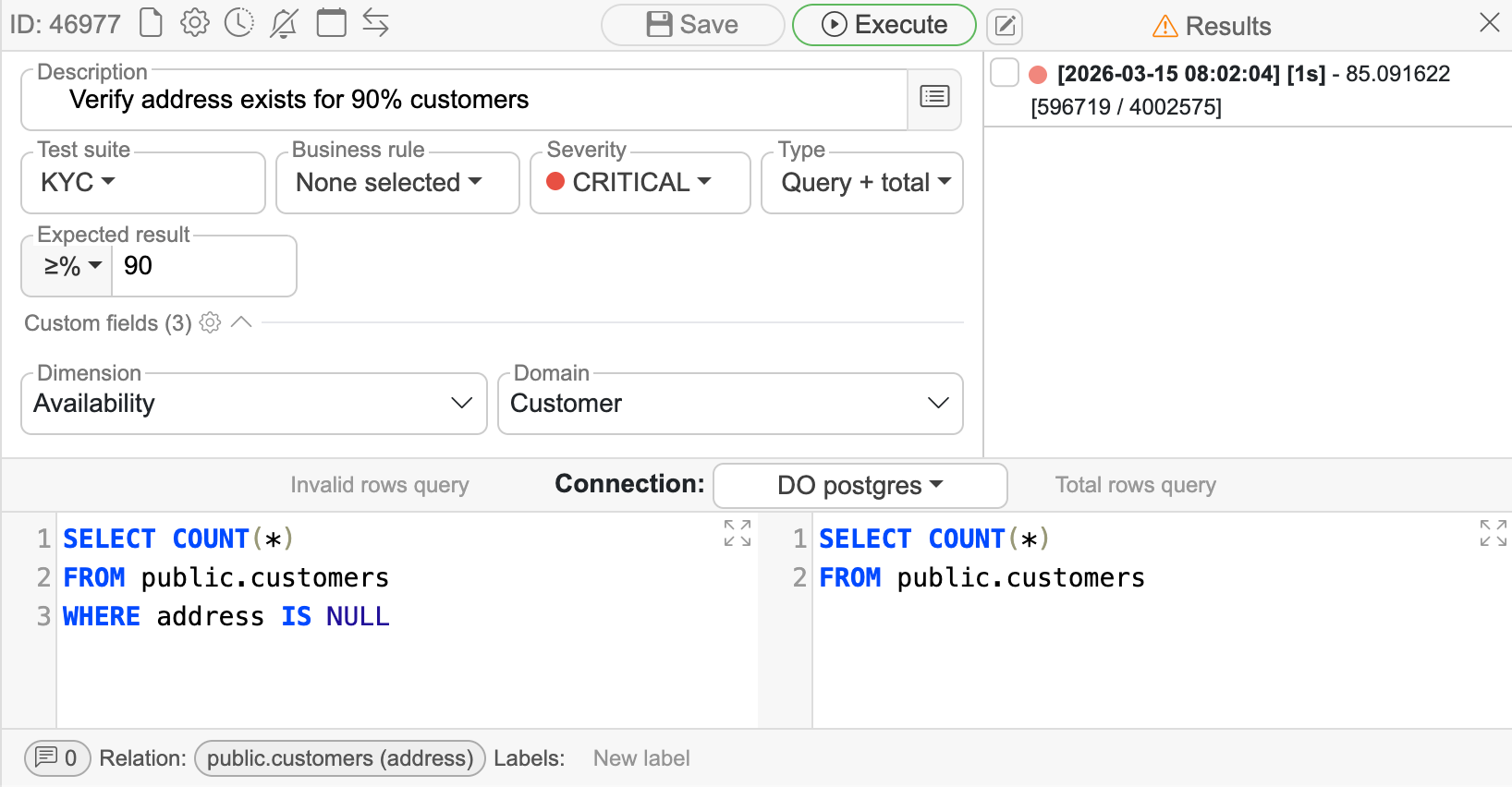
Users can now choose a new test case type that allows adding a separate SQL query for the total row count alongside the usual invalid row count query. When executed, SelectZero automatically calculates the percentage result, making it straightforward to define and evaluate proportion-based data quality rules without complex single-query workarounds. The invalid row count, total row count, and calculated percentage are all displayed in the execution results for full transparency.
Object dependencies
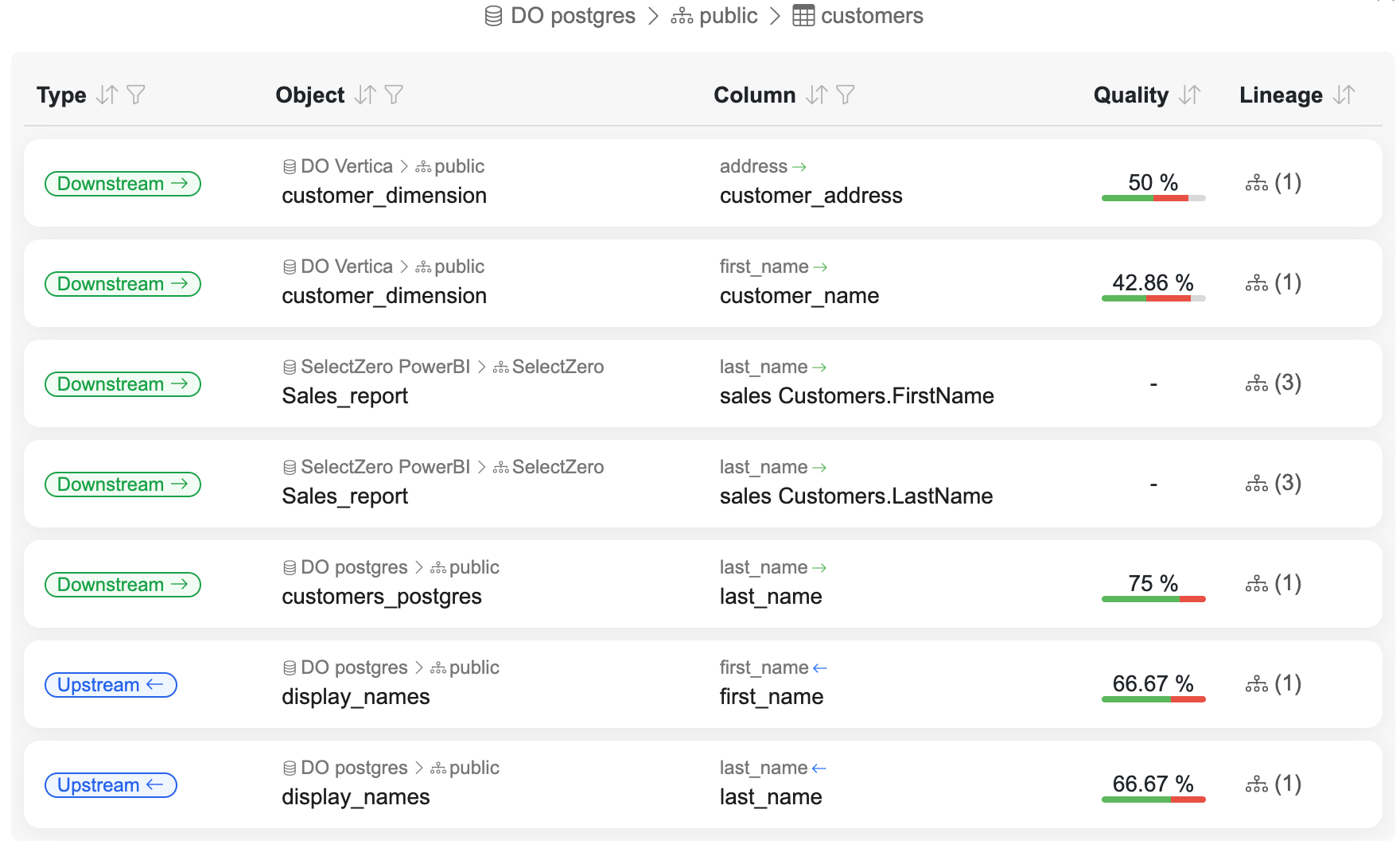
It is now possible to see all upstream and downstream dependencies for any object, enabling simpler column-level impact analysis and root cause investigation. Derived from column-level lineage, this gives users a clear picture of what is affected when a data quality issue is discovered, as well as what upstream sources may be responsible for a failing test case.
AWS S3 integration
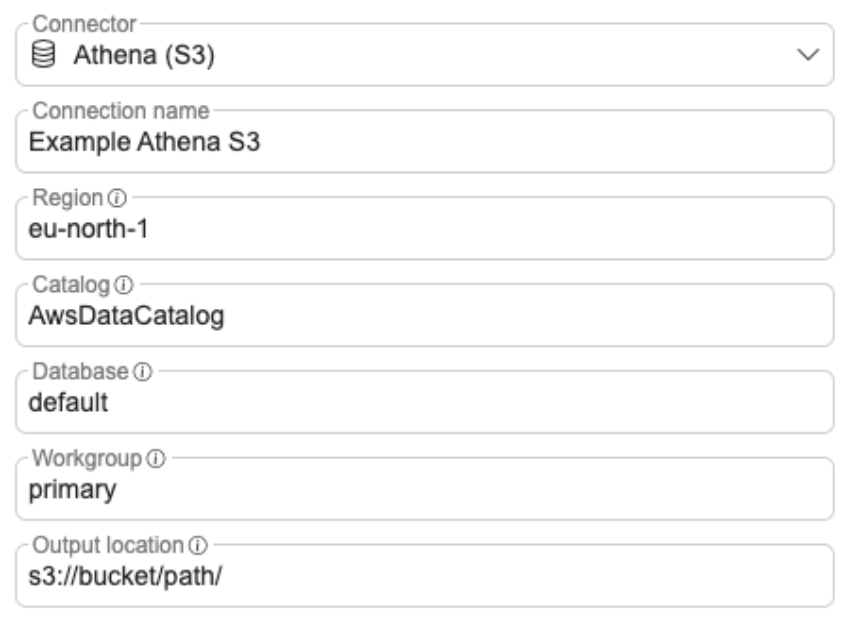
SelectZero now supports connecting to AWS S3 via Amazon Athena, allowing users to query files stored in S3 buckets directly within the platform. This opens up data quality management for teams working with cloud-based file storage as part of their data infrastructure.
External links in custom fields
Links stored in custom fields are now rendered as clickable, taking users directly to the relevant external resource. This makes custom fields more useful for teams who reference external documentation, tickets, or tools as part of their workflow.
Logs view refactor
Admins can now view different log types directly within the platform without needing to download them first. The logs are accessible through the Logs modal, streamlining troubleshooting and reducing the steps needed to inspect platform activity.

Case study: Rimi Baltics
Ensuring accurate and consistent master data across retail systems Case study with Rimi THE CUSTOMER Rimi Baltic is one of the largest retailers in the Baltic States, operating since 2004. The company [...]
SelectZero Named a Representative Vendor in the 2026 Gartner Market Guide for Data Observability Tools
Gartner has published its latest Market Guide for Data Observability Tools, and SelectZero is proud to be recognized once again as a Representative Vendor. We are proud to announce that SelectZero has been recognized as [...]
Release 2026.3
SelectZero release 2026.3 SelectZero 2026.3 is here, bringing a range of new features and improvements across the platform. This release focuses on deeper data quality insights, broader connectivity, and a more streamlined [...]
Release 2026.2
SelectZero 2026.2 The new version of SelectZero is packed with new features and improvements designed to make data quality management faster, smarter, and more flexible. This release introduces Standard validations functionality for [...]
Release 2025.12
Glossary term view tabs & enhancements The Glossary term detail view has been redesigned with dedicated tabs for Graph, Relations, and Assets, making it easier to explore and manage term context. The [...]
BCBS 239: How Data Observability helps to meet regulatory compliance
Following the 2007–2008 global financial crisis, it became painfully clear that many of the largest global financial services firms did not have the tools, methodology or data governance principles needed to accurately measure their [...]