




Public sector data drives decisions, policy, and e-services
Ministries and agencies manage dozens of registers and information systems that citizens, businesses, and policymakers rely on every day. Data issues affect statistics, policy decisions, and the integrity of state services. At the same time, data validation is often handled manually by a small group of analysts, creating bottlenecks, inconsistent coverage, and a lack of shared visibility into the true state of the data.

Manual validation creates bottlenecks
Responsibility for data quality concentrates on analysts and database managers. Manual checks slow down releases, delay incident detection, and limit how quickly data providers can be engaged.
Decisions rely on assumptions, not evidence
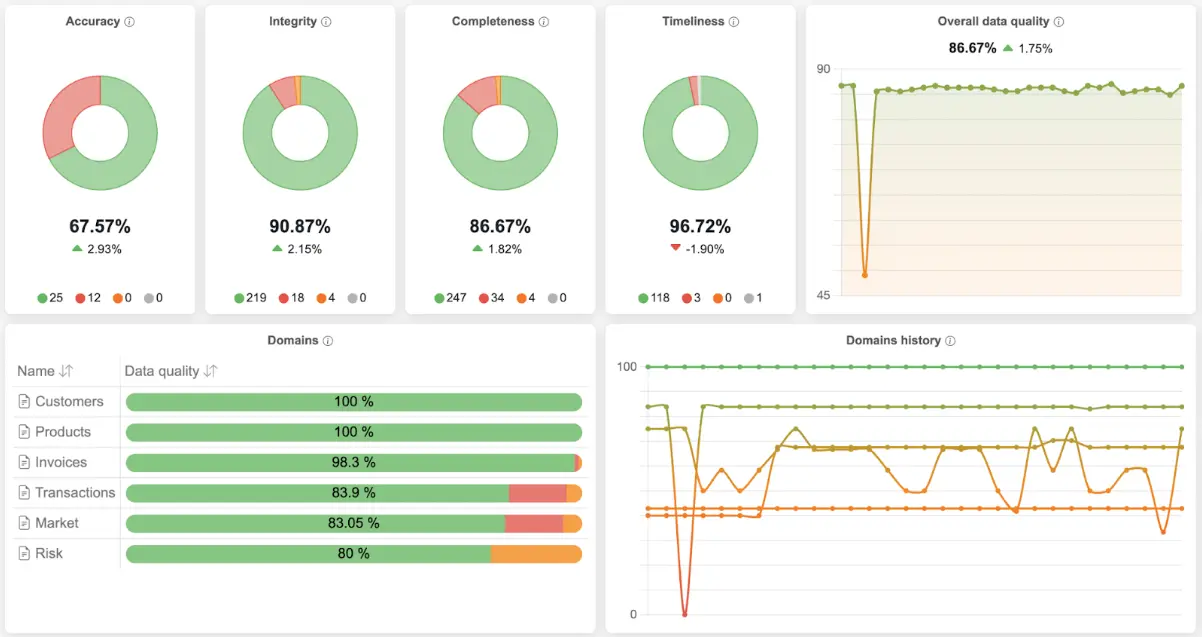
Without a shared view of data quality, stakeholders debate the state of the data instead of acting on it. Policy decisions and statistics are exposed to incorrect, missing, or inconsistent values.
Registers and systems are siloed
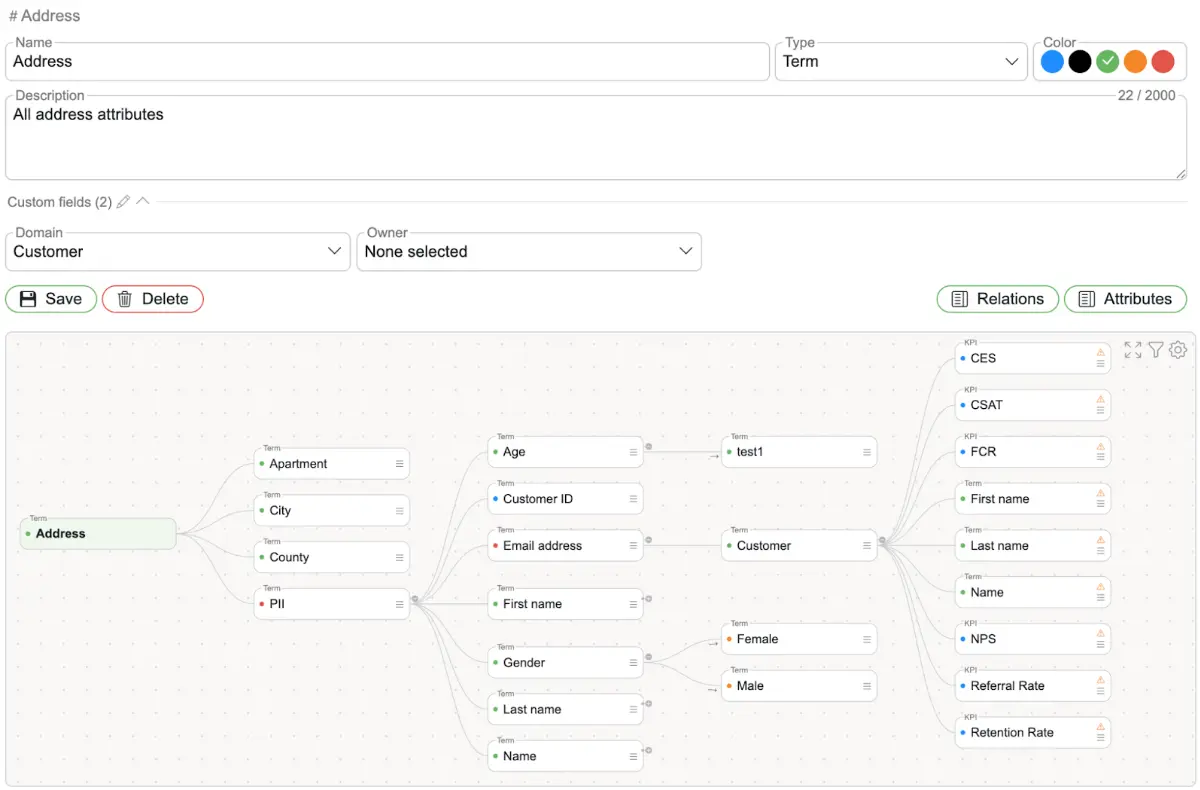
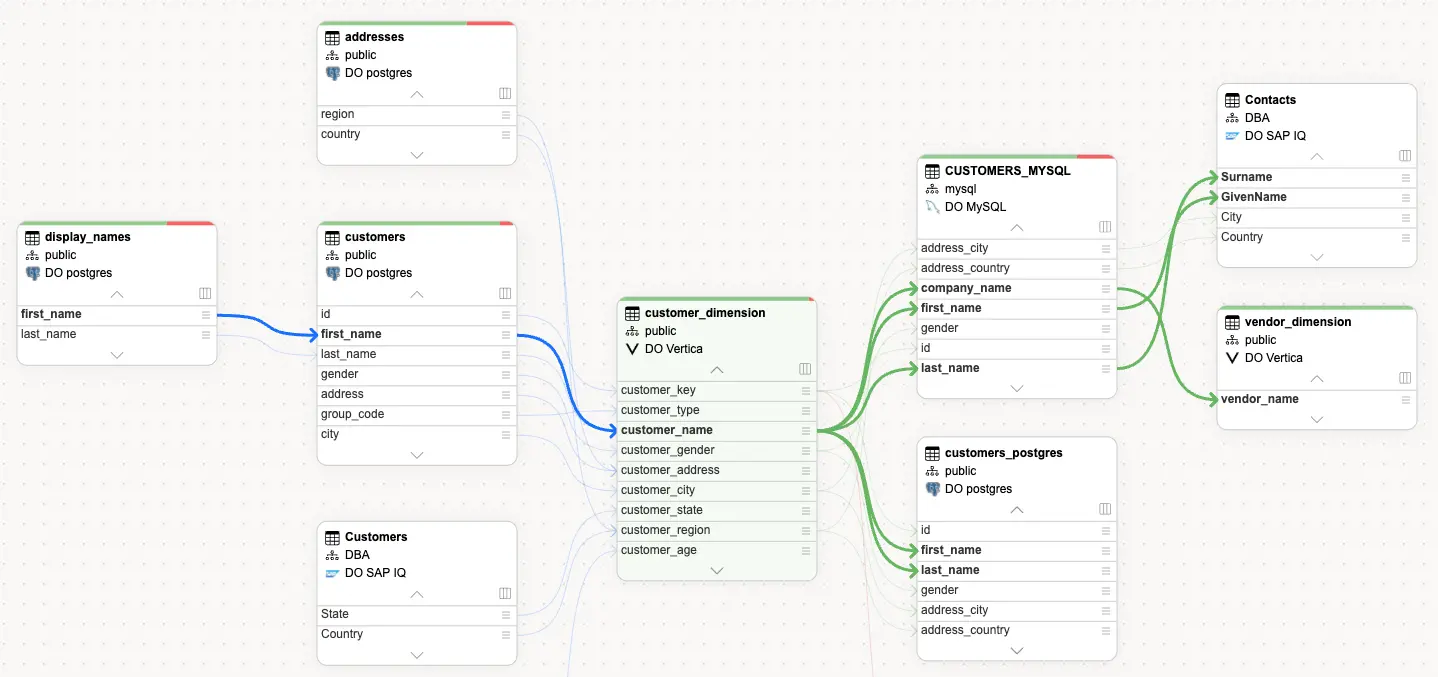
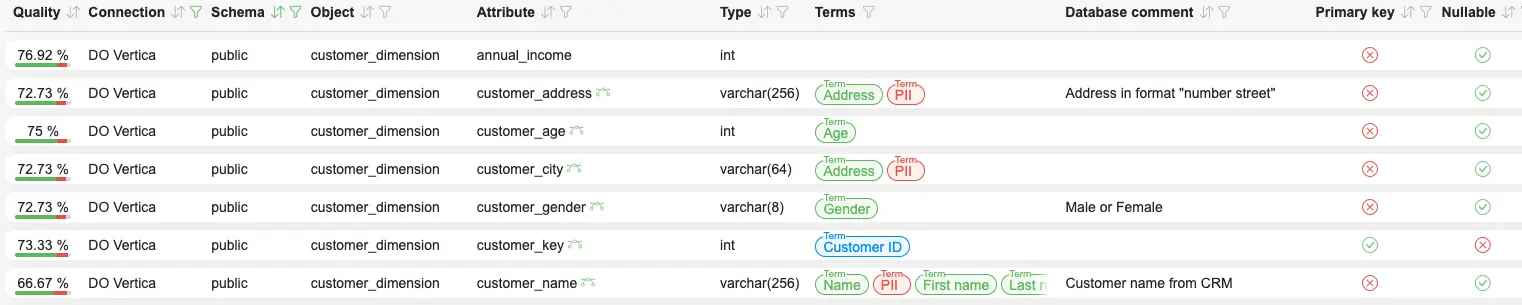
Validation logic spreads across scripts, tickets, and individuals. Errors in one system propagate downstream, and there is no central place to define, track, or evidence data quality requirements.

GDPR
Data protection, lawful processing, and accountability for personal data held in state registers and information systems.

EU Open Data Directive
High-value datasets published with documented quality, lineage, and ownership for reuse by citizens, businesses, and researchers.

EU AI Act
Data quality requirements for AI and ML systems used in public administration and decision support.
Customer stories
How government agencies and ministries use SelectZero to improve data quality and reduce manual effort.

The Centre of Registers and Information Systems (RIK) operates under the Ministry of Justice and develops more than 80 systems and registers critical to the Estonian state and its citizens. RIK integrated SelectZero with Vertica, Oracle, PostgreSQL, and Microsoft SQL Server to replace manual data validation with automated, scheduled checks across multiple registers.
RIK uses SelectZero to identify data issues proactively, reduce data-related ticket volume, and build regression tests every time a new error is found. Role-based access lets different departments author and execute validations on demand, and validations are embedded into data pipelines with automated alerting.
260+
test cases running on regular schedules
8 systems
covered including Register of Prisoners, Land Register, and Museum Information System
5 data teams
authoring validations across the organization

Estonia’s Ministry of Education and Research plans national policies for education, research, youth, and language, and strategically manages several state agencies, foundations, and institutions. Before SelectZero, the Ministry had no consolidated view of data quality across its datasets and no centralized place for defining data quality requirements, leaving validation almost entirely with analysts.
SelectZero gives the Ministry regular, automated data quality checks and agreed-upon updates to stakeholders, supporting its data strategy of precise, evidence-based decision making. The platform reduces reliance on assumptions, makes it easier to engage data providers, and helps track compliance with data updates and the impact of policy interventions.
Evidence-based
decision making across education and research policy
Shared view
of data quality across analysts, policymakers, and data support teams
Reusable test suites
across domains, reducing manual analyst workload