
SelectZero release 2026.5
SelectZero 2026.5 brings the platform’s biggest expansion yet into the modern data stack, with native dbt integration, AI-powered catalog enrichment, and MCP support that opens SelectZero data to AI assistants. This release also introduces a centralised alerts view, organisation-wide guest access for broader collaboration, customisable table layouts across the platform, and a range of connectivity and lineage improvements that make daily work faster and more transparent.
dbt integration
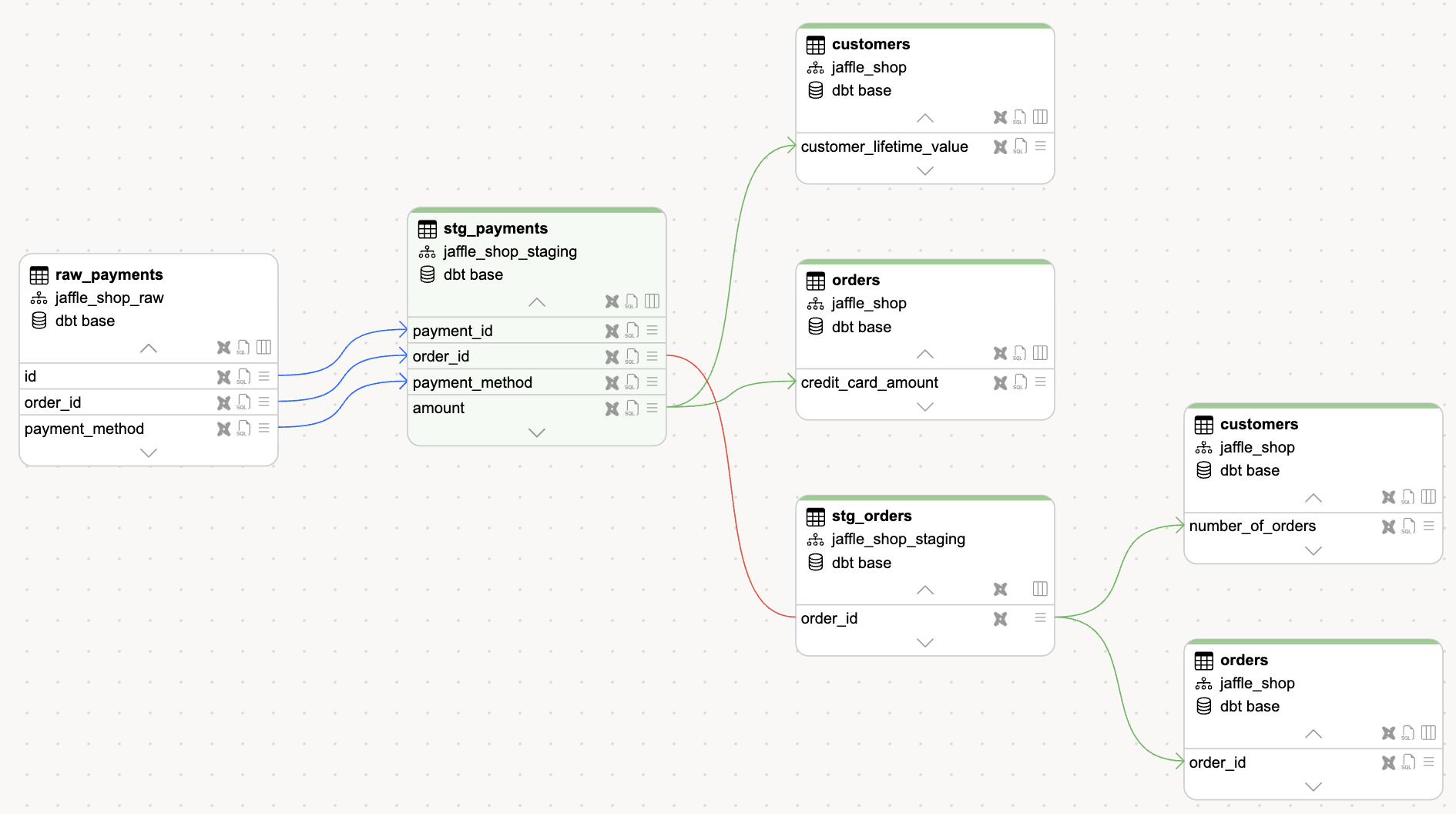
SelectZero now natively integrates with dbt, ingesting manifest, catalog, and run artifacts to give teams a live, always-current view of their dbt project. A new dbt Model Catalog page lets anyone browse models, sources, seeds, and snapshots without touching the CLI or static docs. Lineage nodes show a dbt badge where a matching dbt model exists, and historical run storage keeps a full timeline of freshness, failures, and schema changes so teams can answer not just “is it working now” but “when did it break.”
MCP integration
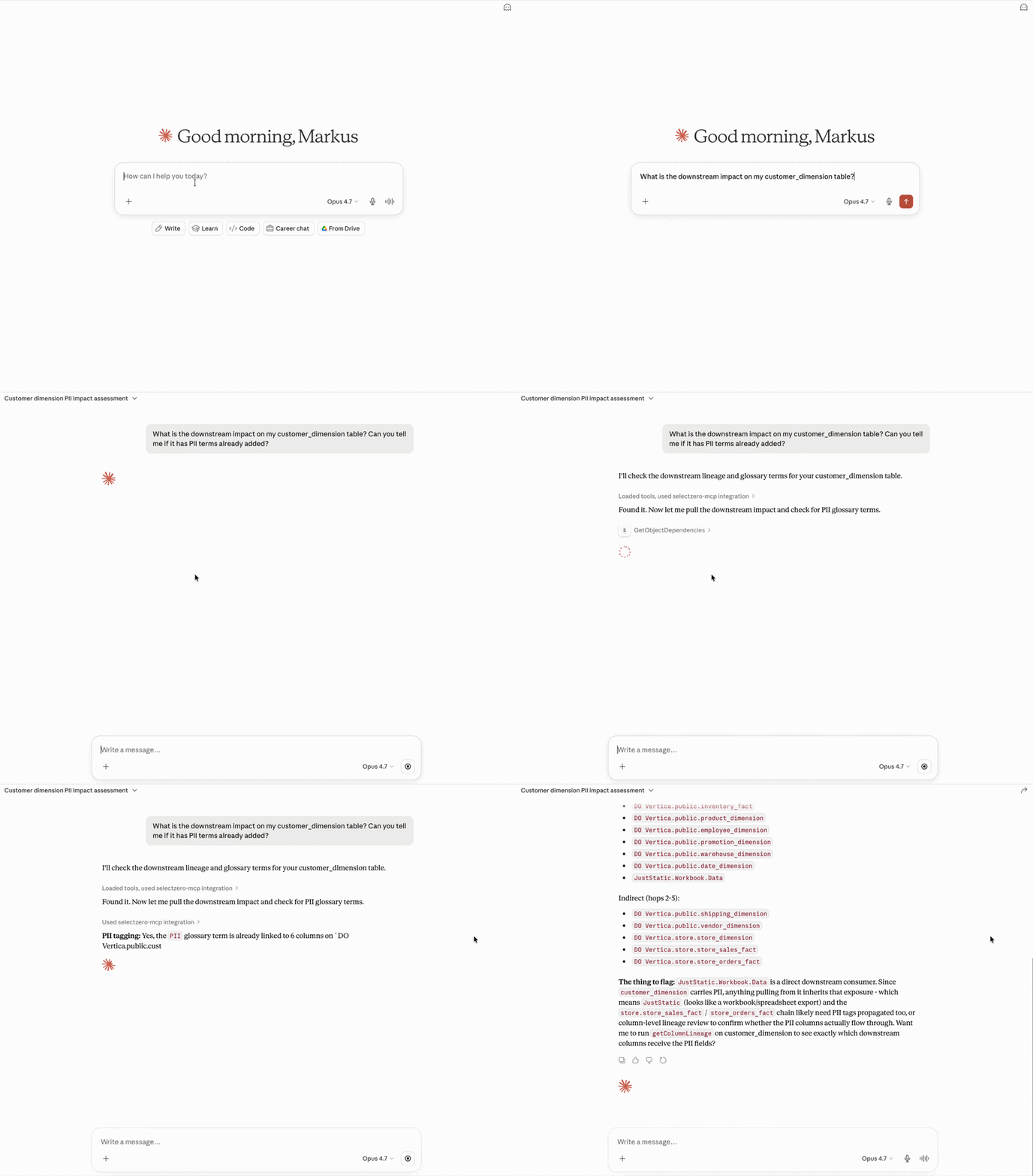
SelectZero data is now exposed as Model Context Protocol resources, making catalog metadata, lineage, test cases, and data quality results directly accessible to AI assistants and copilots. This unlocks a new class of LLM-powered workflows on top of SelectZero, from natural language queries over your catalog to automated impact analysis through your assistant of choice.
AI-powered catalog enrichment
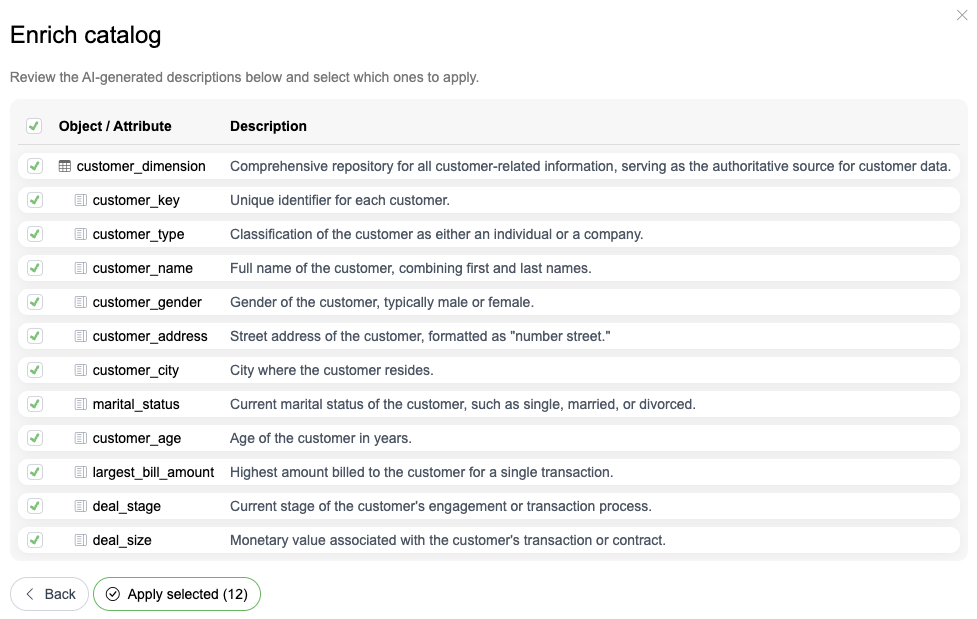
Catalog object and attribute descriptions can now be generated by AI, either individually or as a mass action across multiple tables and attributes at once. Suggestions take metadata, profiling values, and related glossary terms as context, and every suggestion is shown in a preview where users can pick exactly what to apply.
Centralised alerts view
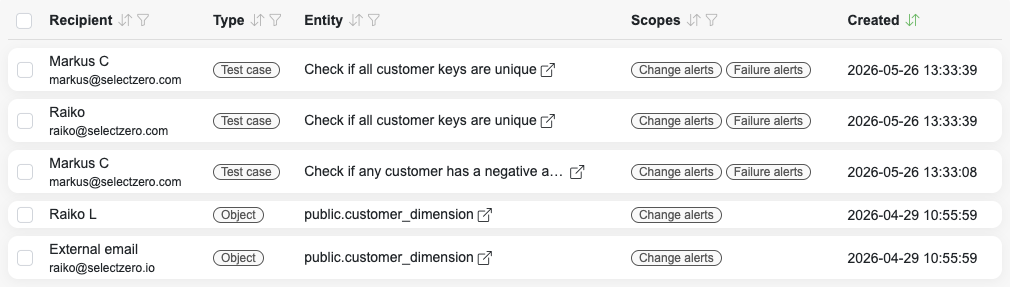
A new alerts view brings every enabled alert across the platform into one place, with an admin perspective spanning all users and a personal view for end users. No more checking each test case, object, or term individually to understand what is currently being monitored and by whom.
Organisation-wide access
A new user type makes it easy to give broader, view-only access across the organisation without full user provisioning. Perfect for stakeholders, auditors, or wider business teams who need visibility into data catalog and quality without becoming managed users.

Customisable table columns
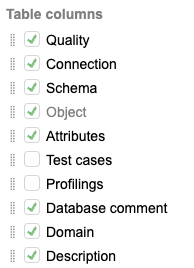
Catalog page tables now supports column customisation. Choose which columns to display, reorder them via drag-and-drop, and reset to defaults at any time. Layouts persist locally, so teams can tailor each view to how they actually work.
Report URL as webhook parameter
Webhook notifications can now include a direct link to the test result report, opening either as a downloadable Excel file or as an in-browser HTML page with authentication checks in place. Teams using Slack, Teams, or Jira can jump straight from a notification to the full report, with no extra steps. The webhook configuration view has also been rebuilt with copyable parameters and ready-made samples for popular destinations.
SAP IQ procedure support
Procedure parsing has been extended to SAP IQ, joining the existing TSQL support. Teams running SAP IQ data warehouses can now extract statements from stored procedures for lineage and validation, with no manual workarounds required.
Term linked entities
Linked entities on business terms are now real navigable links. Clicking a linked asset, attribute, or rule takes users straight to the entity, making it faster to move between the glossary and the rest of the platform.
Lineage SQL reference timestamps and cleanup
Lineage evidence SQLs now show when each relation was first detected, giving full transparency into the origin of every lineage edge. Stale lineage from old DDL is no longer permanent: users with manage rights can delete individual query references one by one.
OAuth display name field
OAuth providers now support a configurable default display name field, matching the existing LDAP and Active Directory experience. The login screen layout has also been refined for a cleaner sign-in flow.

Release 2026.7
SelectZero release 2026.7 SelectZero 2026.7 is one of the broadest releases so far, reaching nearly every part of the platform. The interface has been rebuilt end to end, and profiling takes a [...]

Unified data quality, catalog, and lineage: why G2 ranks SelectZero a High Performer
Most organizations don't have a data quality problem in just one system, they have one spread across ten different databases, dashboards, and pipelines that nobody fully understands anymore. SelectZero exists to close that gap: [...]
Did that fix actually work? Track row-level differences for data quality checks
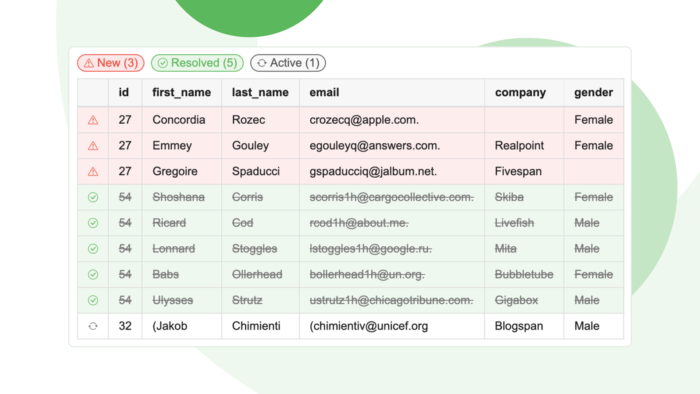
When you monitor data quality, finding out that something is wrong is only the beginning. The harder question is what is wrong. Is this a brand-new problem that appeared overnight or a recurring issue [...]
SelectZero now integrates with dbt
SelectZero now ingests metadata from both dbt Core and dbt Cloud. Your dbt models, sources, seeds, snapshots, tests, and lineage flow into the SelectZero catalog and merge with metadata from every other system you [...]
Your catalog, in any AI client: SelectZero MCP server
SelectZero now ships a built-in Model Context Protocol (MCP) server. Point Claude Desktop, Cursor, Claude Code, VS Code, or any other MCP-aware client at your SelectZero instance, and your AI assistant gets first-class access [...]
Release 2026.5
SelectZero release 2026.5 SelectZero 2026.5 brings the platform's biggest expansion yet into the modern data stack, with native dbt integration, AI-powered catalog enrichment, and MCP support that opens SelectZero data to AI [...]